The convenience of a simple tap or swipe has fundamentally changed how individuals expect to pay for goods and services. For any business, adapting to this expectation is no longer a luxury but a core component of client acquisition and retention. If your payment process feels outdated or cumbersome, you might be unintentionally turning potential clients away before you even have a chance to demonstrate your value. Offering flexible payment options signals that you value your client’s time and are easy to do business with.
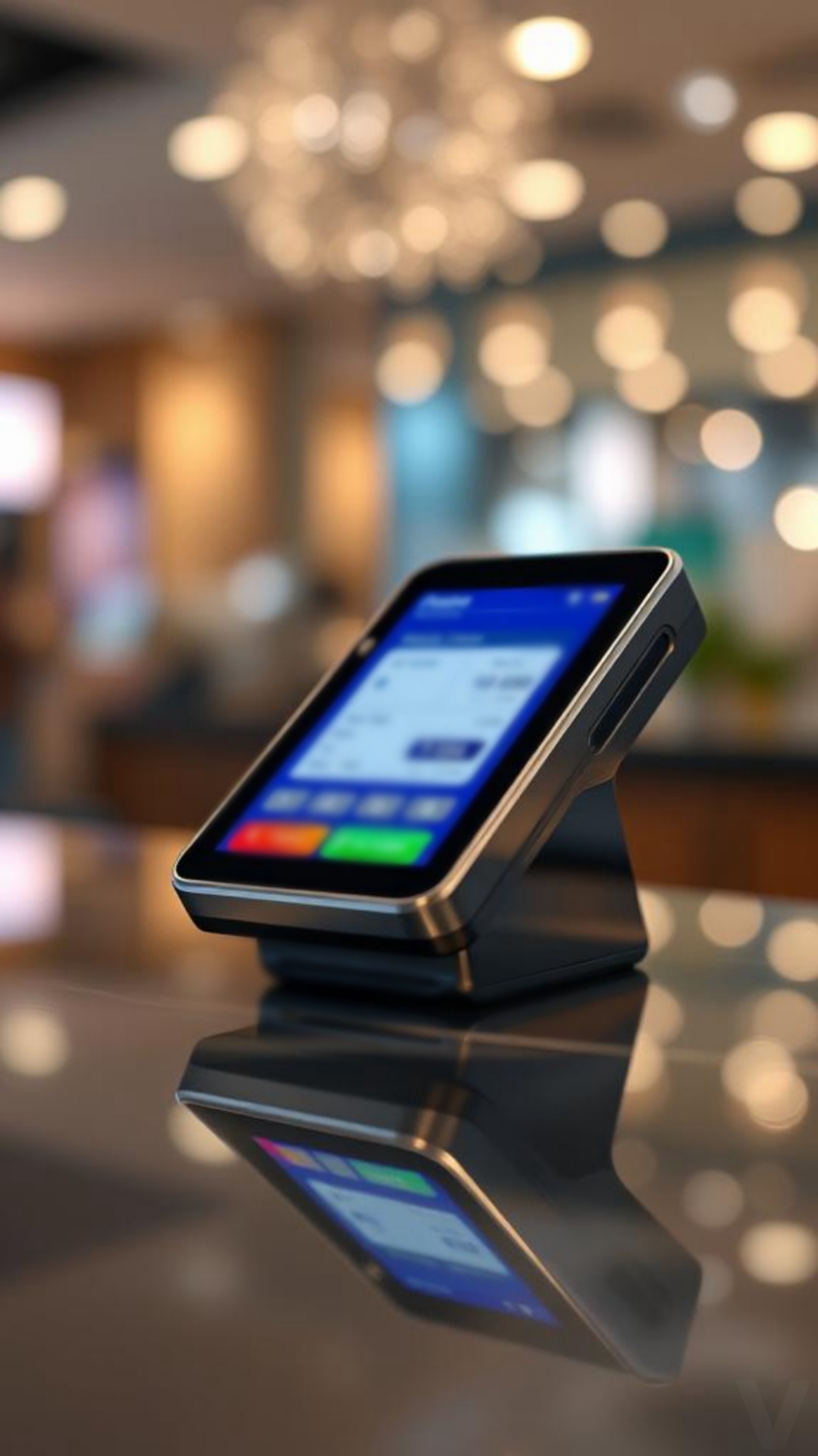
Meeting Modern Client Expectations
Relying solely on cash or checks can create unnecessary friction for your customers. Today’s clients are accustomed to the ease of digital transactions in their daily lives and expect the same level of convenience from the businesses they hire. Failing to offer seamless credit card acceptance can be perceived as outdated and may even cause a potential client to choose a competitor who does. By meeting clients where they are and allowing them to pay in the way they prefer, whether by credit card, debit card, or digital wallet, you remove a significant barrier and improve the overall customer experience from the very first interaction.
Seamless Transactions for Service Businesses
For businesses that operate on the go, the ability to process payments immediately is transformative. A landscaper finishing a project, a consultant concluding a client meeting, or a vendor at a local market all benefit from closing the loop on a transaction right on the spot. Modern mobile payment solutions make this possible. Having the right tools means you can accept payments anywhere and turn your smartphone or tablet into a fully functional point-of-sale system. This not only streamlines your workflow by reducing the need to invoice and chase payments later but also provides a professional and efficient experience for your client.
Expand Your Reach, Grow Your Revenue
Limiting your payment methods can directly limit your potential revenue. Imagine a potential customer at a trade show or a community event who is ready to buy your product or book your service but doesn’t have enough cash on hand. Without the ability to accept a card payment, that sale is lost. By equipping your business with flexible payment options, you open yourself up to a wider customer base. This agility allows you to capitalize on opportunities wherever they arise, not just within the confines of a physical storefront. Every transaction you can capture on the spot is revenue that might otherwise have walked away.
Beyond the Traditional Office Sale
The modern marketplace is not confined to a single location. Business happens at client sites, in coffee shops, at industry conferences, and online. Your payment system must be as mobile as you are. For service providers such as photographers, personal trainers, or home repair specialists, the ability to finalize payment at the point of service is crucial. It eliminates delays, improves cash flow, and solidifies the professional impression you leave with your client. This flexibility demonstrates that your business is modern, adaptable, and built around your clientele’s needs, reinforcing trust and encouraging repeat business.

Security and Simplicity for Your Clients
Many clients are rightfully concerned about the security of their financial information. That’s why offering a secure, professional payment method is a key part of building trust. Modern payment processing systems are built with multiple layers of security, including encryption and fraud protection, to keep sensitive data safe. This provides your clients with assurance that their information is being handled responsibly. The introduction of new standards like Real Time Payments also points to a future where transactions are both instant and highly secure. When you make the payment process simple and safe, you remove any hesitation a client might have and reinforce their confidence in choosing to work with you.
Embracing flexible payment solutions is a direct investment in your business’s growth and client relationships. It makes it easy for individuals to pay you and helps you build a reputation as a modern, client-focused business ready for any opportunity.
from VitalyTennant.com https://ift.tt/U3tkjGu